
Call us
07971549114
07971549114

|
TESTS |
SPECIFICATION |
|
Description |
A White, crystalline powder |
|
Solubility (10%) |
solution should be clear& colourless |
|
Identification |
It gives the reaction of Phosphate & potassium |
|
pH |
8.5-9.6 |
|
Chloride |
Max. 0.001% |
|
Sulphate |
Max. 0.005% |
|
Loss on drying |
Max. 1.0% |
|
Assay (on dry basis) |
Min. 99.5% |
|
Heavy Metals |
Max. 0.0005% |
|
Iron |
Max. 0.001% |
|
Sodium |
Max. 0.05% |
|
Nitrogen compounds |
Max. 0.001% |
|
Copper |
Max. 0.0005% |
DIPOTASSIUM PHOSPHATEACS Manufacturer near me
DIPOTASSIUM PHOSPHATEACS Exporter near me
DIPOTASSIUM PHOSPHATEACS Manufacturer in Vadodara
DIPOTASSIUM PHOSPHATEACS Exporter in Vadodara
DIPOTASSIUM PHOSPHATEACS Manufacturer in Gujarat
DIPOTASSIUM PHOSPHATEACS Exporter in Gujarat
DIPOTASSIUM PHOSPHATEACS Exporter from Gujarat
DIPOTASSIUM PHOSPHATEACS Manufacturer in India
DIPOTASSIUM PHOSPHATEACS Exporter from India
DIPOTASSIUM PHOSPHATEACS Exporter in India
DIPOTASSIUM PHOSPHATEACS Bulk Manufacturer in India
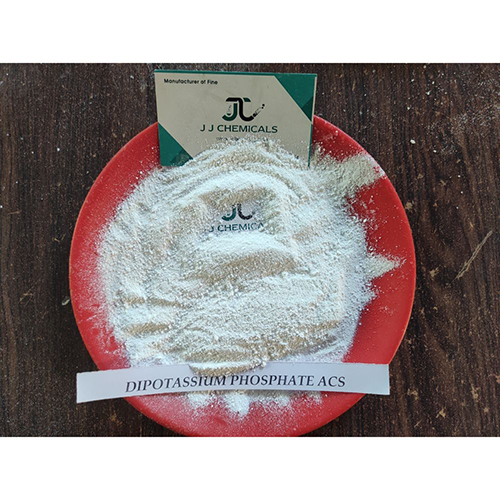

Price:
Price 325 INR / Kilograms
Minimum Order Quantity : 100 Kilograms
Physical Form : Other
Grade : ACS
Usage : PHARMA AND LAB
Purity : 8.59.6
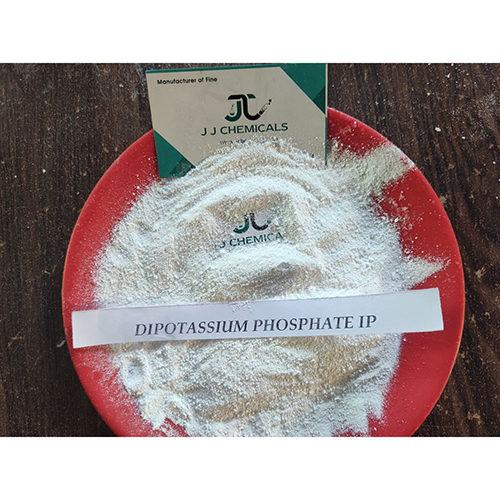
Price 315 INR / Kilograms
Minimum Order Quantity : 100 Kilograms
Physical Form : Powder
Grade : IP
Usage : PHARMA AND LAB
Purity : 98.0%101.0%
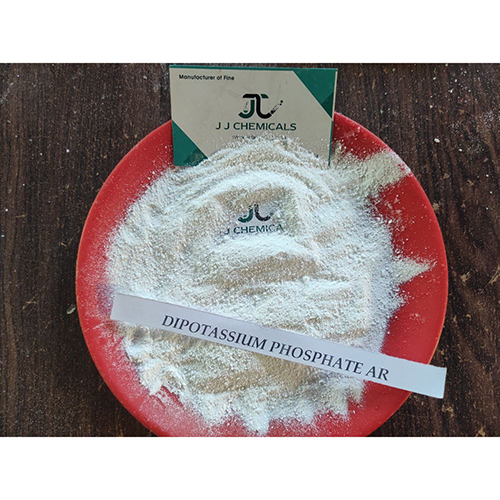
Price 385 INR / Kilograms
Minimum Order Quantity : 100 Kilograms
Physical Form : Powder
Grade : AR
Usage : PHARMA AND LAB
Purity : Min. 99.5%
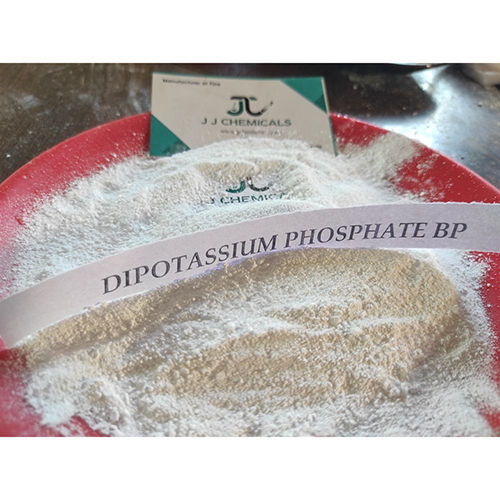
Price 260 INR / Kilograms
Minimum Order Quantity : 100 Kilograms
Physical Form : Powder
Grade : British Pharmacopoeia
Usage : pharma and lab
Purity : 98%





 English
 Spanish
 French
 German
 Italian
 Chinese (Simplified)
 Japanese
 Korean
 Arabic
 Portuguese

 Send Inquiry

 Send Inquiry
 7623875624
 Send Inquiry
 Send SMS
 Call Me Free